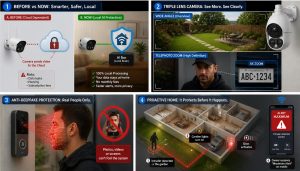
It’s not all sunshine and rainbows. Technology has also evolved on the dark side. Today’s thieves don’t need lock picks; some use Artificial Intelligence to hack into home systems. But don’t worry, manufacturers are already several steps ahead.
The Invisible Danger: AI Hacking of Devices
The most advanced AI models (the same ones used by ChatGPT) are learning to find security flaws in the software of household appliances and cameras at an alarming rate. This means that a cybercriminal could try to infiltrate your network through a smart bulb that isn’t properly secured.
Anti-Hacking Shield: Certification and the Matter Standard
To combat this, the industry is adopting the Matter standard and Zero Trust principles. In simple terms:
– Matter is like a universal «driver’s license.» It guarantees that the device has passed rigorous security checks.
– Principle of least privilege: If a cybercriminal infects your light bulb, the bulb doesn’t have «permission» to communicate with your door lock. The damage is isolated.
Don’t open the door! AI detects the «Deepfake» on your porch.
One of the most interesting advances is the fight against spoofing. Doorbells and locks in 2026 won’t even trust a photo of you. New models use:
– 3D anti-spoofing: They analyze depth and microexpressions to determine if it’s a real face or a printed photo.
– Vein biometrics: Yes, it exists. Some high-end locks (like the Kaadas Q9-FVP) already read the vein pattern in your finger, something impossible to copy or steal.
Your house acts on its own: Proactive response.
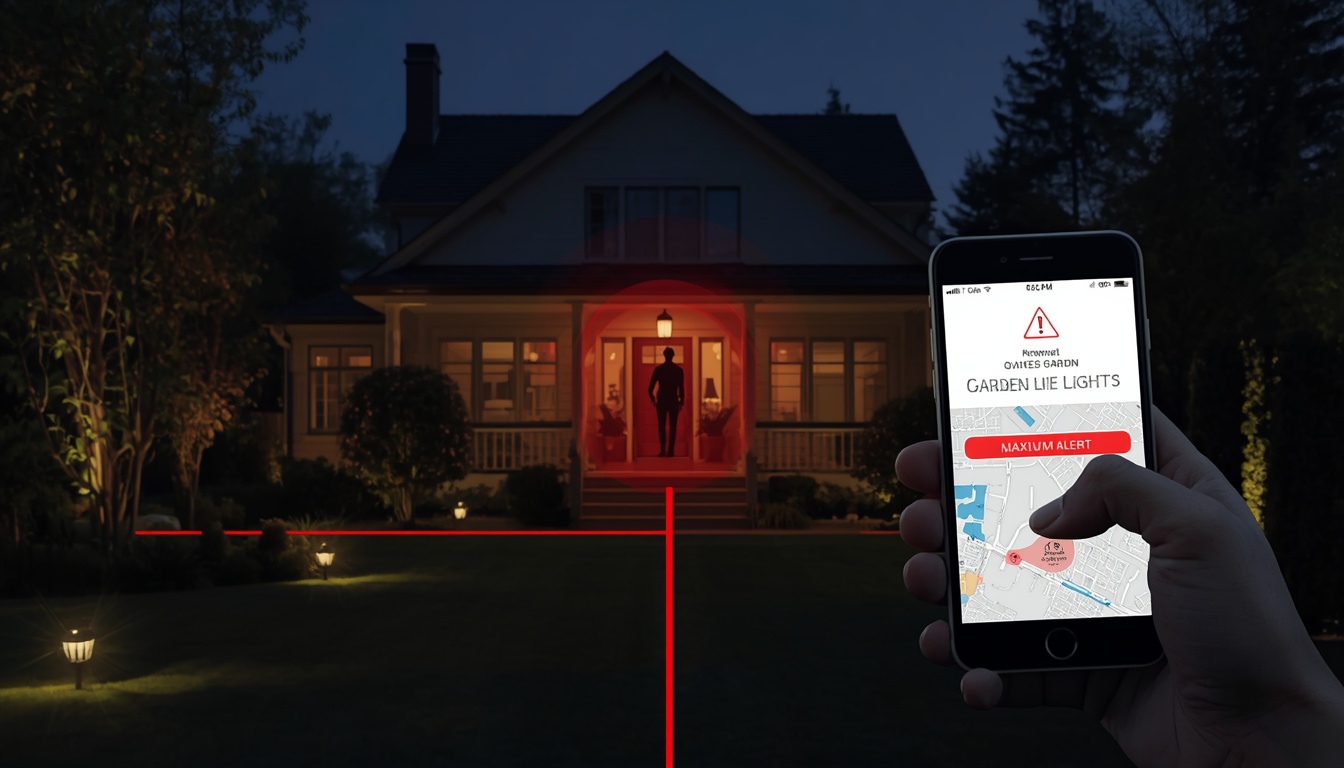
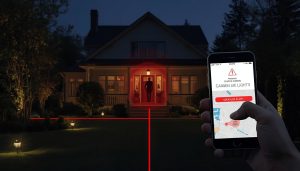
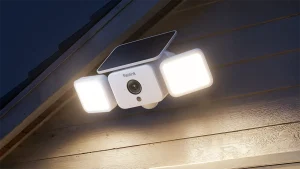
Security is no longer passive. Systems like Eufy’s EdgeAgent can distinguish whether someone approaching at 3 AM is your neighbor or a stranger. If it detects a real threat, the system not only alerts you but also reacts:
1. It turns on warning lights.
2. It broadcasts a voice alert («You’ve been recorded, move away»).
3. In serious cases, it activates an automatic emergency alert.